From Bruce Lee to T'Challa: What Martial Arts Movies Taught a Generation About Strength, Discipline, and Brotherhood
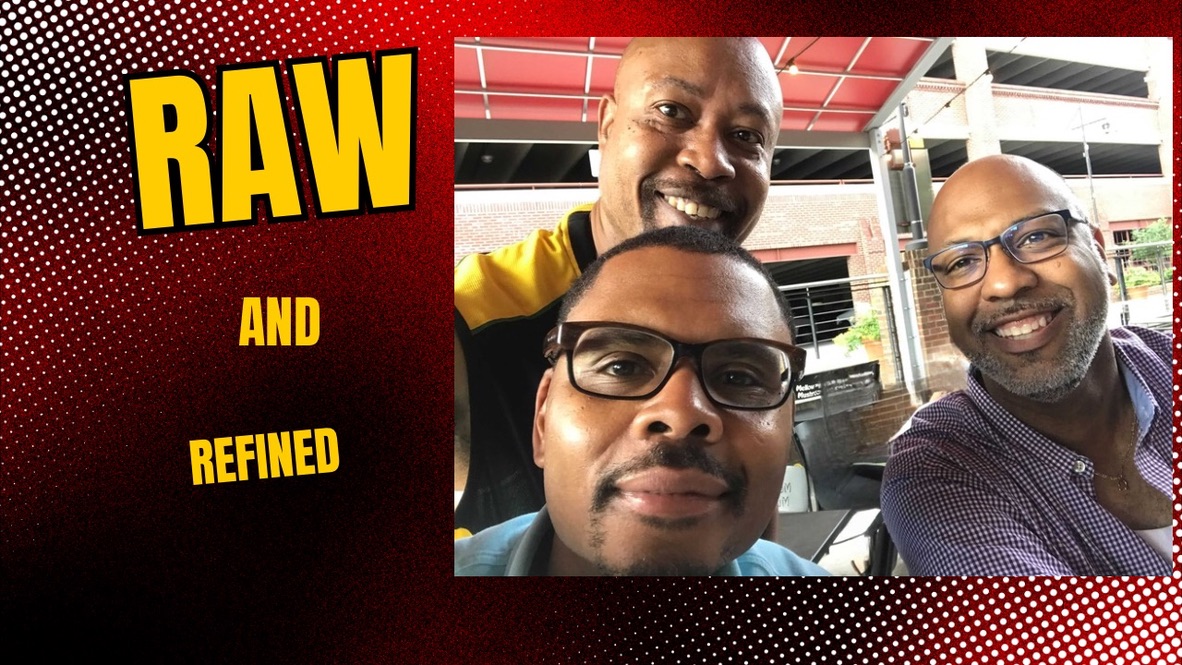
If you grew up on kung fu movies, you already know they were never just about fists, feet, and flying kicks. They were about underdogs, discipline, respect, and the thrill of watching somebody rise up against the odds. In this conversation, we dig into how martial arts movies shaped identity, masculinity, and culture - especially for Black audiences who saw something familiar in those stories of struggle and comeback. From Bruce Lee and Jim Kelly to The Last Dragon, Crouching Tiger, Hidden Dragon, The Matrix, and even Wu-Tang Clan, the influence runs deep.
Why Martial Arts Movies Hit So Hard
The appeal of martial arts films was never just the action. It was the structure of the story. A lot of the classic movies followed a familiar arc: somebody gets wronged, they train, they struggle, and eventually they come back stronger. That formula worked because it mirrored real life. You had to earn your way through pain, repetition, and discipline. You had to get better before you could win.For a lot of young Black viewers, that hit differently. These weren’t just foreign action movies - they were stories about people being pushed down and finding a way to fight back. The villains had power. The hero had to grow into his own. That dynamic felt recognizable. It also helped that the films were visually exciting. They made everyday people feel capable of more. You’d leave the theater hyped up, ready to imitate stances, kicks, and moves with your friends. That shared excitement became part of the culture.
Bruce Lee Was More Than a Star - He Was a Cultural Bridge
Bruce Lee mattered because he was bigger than the screen.He brought kung fu to Western audiences in a way that felt powerful, fresh, and intentional. For many viewers, he was the first Asian action hero who looked like he owned the moment. He was lean, fast, intense, and impossible to ignore. And even though Hollywood often simplified or mislabeled all of it as “karate,” Bruce Lee introduced many people to a much broader martial arts tradition.He also carried cultural meaning. In films like The Chinese Connection, he confronted discrimination directly. That mattered to Black audiences because there was an immediate sense of recognition. Different histories, same pressure. Different communities, similar struggles. One of the strongest themes in the conversation was representation. Bruce Lee gave young Black boys a model of strength that wasn’t based on size, bulk, or brute force. He proved that skill, focus, and precision could be just as intimidating as raw power. That idea shaped how a lot of people thought about strength itself.And Bruce’s influence didn’t stop with the movies. He inspired people to take martial arts seriously as a discipline, not just entertainment. That distinction matters.
Martial Arts Is About Discipline, Not Just Fighting
One of the biggest misconceptions about martial arts is that it’s mainly about self-defense. It is that - but that’s only part of the picture. In the discussion, the training side of martial arts came through clearly. The real value is in what the practice teaches you: breathing, patience, balance, memory, and self-control. It’s about being calm when your body wants to panic. It’s about learning that stress can be managed instead of just endured.That’s why martial arts can age with you. When you’re younger, you may be drawn to the power and speed. But over time, the deeper lessons become more important. Movement becomes medicine. Breathing becomes strategy. Flexibility and joint care become part of staying alive and active for the long haul. Here are a few of the lessons that stood out:
Discipline matters more than hype.
Martial arts training is repetitive on purpose. Repetition builds muscle memory and confidence.
Peace is part of the practice.
The goal is not to fight everyone - it’s to control yourself.
Training teaches resilience.
You learn to keep moving, even when you’re tired, frustrated, or overwhelmed.
The body changes, and the art changes with it.
What looks like “hard” training in youth often becomes more about mobility, breathing, and longevity later.
The conversation also pushed back against movie fantasies. Real martial arts are not magic. You are not going to dodge bullets like Neo or disarm every attacker like an action hero. But what you do get is a real-world foundation that improves how you carry yourself.
From The Last Dragon to Wu-Tang: Martial Arts Became Black Cultural Language
If Bruce Lee opened the door, Black culture ran through it and made it its own.That’s why The Last Dragon matters so much. It wasn’t just a martial arts movie. It was a fusion of Black urban style, pop music, humor, fashion, and kung fu imagery. It gave audiences a character who felt both familiar and aspirational. And let’s be honest - Sho’nuff became a legend.The same thing happened with music. Wu-Tang Clan took martial arts references, Asian cinema, philosophy, and sound design and turned them into a whole creative universe. They didn’t just borrow surface-level imagery. They built something original out of it.That’s a big reason people don’t really talk about Wu-Tang as “appropriating” martial arts culture in the way that term is usually used. They celebrated it, sampled it, and transformed it. They made the influence part of their own artistic identity.That blending of cultures worked because the stories were already parallel. The old kung fu films often showed a world of struggle, hierarchy, corruption, and everyday people trying to survive. That was relatable in the hood, in the suburbs, and everywhere else people had to fight for dignity. It’s also why the music, the fashion, and the slang stuck. Martial arts wasn’t just a genre - it became a shared reference point.
The Shift From Martial Arts Films to Martial Arts in Action Films
Another big insight from the conversation was how the genre changed over time.Older films were often pure martial arts stories. The fighting was the point, but the training and philosophy carried the story. In newer films, martial arts are usually mixed into larger action movies. The hand-to-hand combat is still there, but it’s blended with guns, explosions, and faster pacing.That shift doesn’t make the newer films worse - just different. The best ones still need strong characters and a reason for the fighting. If the action is empty, the movie falls apart.A few names came up as examples of how the art evolved:
Jackie Chan
brought humor, gymnastics, and real stunt work into the genre.
Jet Li
added a more traditional martial arts presence and serious athleticism.
Donnie Yen
helped carry martial arts into modern action cinema.
Crouching Tiger, Hidden Dragon
and
Hero
showed that martial arts films could also be elegant, emotional, and award-worthy.
The Raid
proved that pure fight choreography still has a huge audience.
These films show that martial arts on screen still works when it’s rooted in story, not just spectacle.
Brotherhood, Identity, and Why These Stories Still Matter
At the heart of the conversation was something bigger than movies: brotherhood.These films became a shared language. They gave people something to talk about, imitate, and remember together. They made young men feel stronger. They also created a space for admiration, competition, and cultural curiosity. You didn’t just watch the movies - you lived in them for a while.That matters because it shaped how many people understood masculinity. Strength wasn’t only about aggression. It was about training, patience, self-respect, and knowing when to act. The best martial arts heroes were not just fighters - they were disciplined men who had gone through something and came out changed.That’s a lesson that still holds up today. Whether you’re talking about career growth, personal development, or physical health, the pattern is the same: learn, practice, fail, improve, repeat. That’s the real martial arts lesson.And maybe that’s why these movies still resonate decades later. They weren’t just about who could throw the best punch. They were about becoming the kind of person who earned the right to stand tall.
Frequently Asked Questions
Why were martial arts movies so popular in Black communities?They often centered on underdogs, resistance, and triumph over power. That made them easy to connect with, especially in communities familiar with struggle and resilience.Was Bruce Lee really that influential?Yes. Bruce Lee helped introduce kung fu to Western audiences and changed how strength, speed, and discipline were portrayed onscreen.What’s the difference between martial arts and action movies?Martial arts films usually focus on the art, training, and philosophy behind the fighting. Action movies may include martial arts, but they usually prioritize broader spectacle like guns, explosions, and faster pacing.Why is The Last Dragon such an important movie?It blended Black culture with martial arts in a way that felt fresh and authentic. It also helped turn martial arts imagery into a bigger part of Black pop culture.What can martial arts teach you beyond self-defense?It can teach discipline, patience, breathing, balance, confidence, and stress management - lessons that apply far beyond fighting.
One-Sentence Summary
Martial arts movies shaped more than entertainment - they gave a generation a shared language for discipline, identity, cultural connection, and the idea that training can turn an underdog into a master.

Comments